
What To Do After a Texas Car Accident

What To Do After a Texas Car Accident
By The Sharp Firm Editorial Team · Updated 2026-07-15
Texas car accident victims must follow critical steps: call 911, document the scene, exchange insurance information. Seek medical attention immediately. Texas law requires reporting accidents involving injury or property damage above a certain threshold. The Sharp Firm, based in Austin, TX, helps accident victims across Texas navigate claims. Pursue maximum compensation under Texas statutes.
Texas car accident law requires drivers to stop, call police, and document the scene immediately after a collision. Following the 8 key steps — from gathering the other driver’s insurance information to filing your injury claim. Protects your legal rights and maximizes compensation for medical bills and lost wages under Texas law.
Texas car accident victims face eight critical steps that protect both health and legal claims after a crash. Decisions made in the first hours directly affect medical care, legal rights, and claim value. Collecting the other driver’s insurance card, securing a police report. Documenting the scene form the foundation of a strong Texas personal injury case.
Key Takeaways
- Call police immediately if anyone sustained injuries or the other driver left the scene.
- Obtain a copy of the police report within 8 steps to protect your personal injury claim.
- Move your vehicle out of the road if no injuries occurred to prevent further accidents.
- Document the accident scene with photos and gather driver information for your insurance company.
What Must You Do Immediately After a Texas Crash?
Decisions made in the first hours after a Texas collision directly affect medical care, legal rights. The value of any personal injury claim. A texas car accident guide begins with one non-negotiable rule: stop the vehicle and act fast.
Prerequisite: Confirm that all occupants are physically able to move before exiting the vehicle.
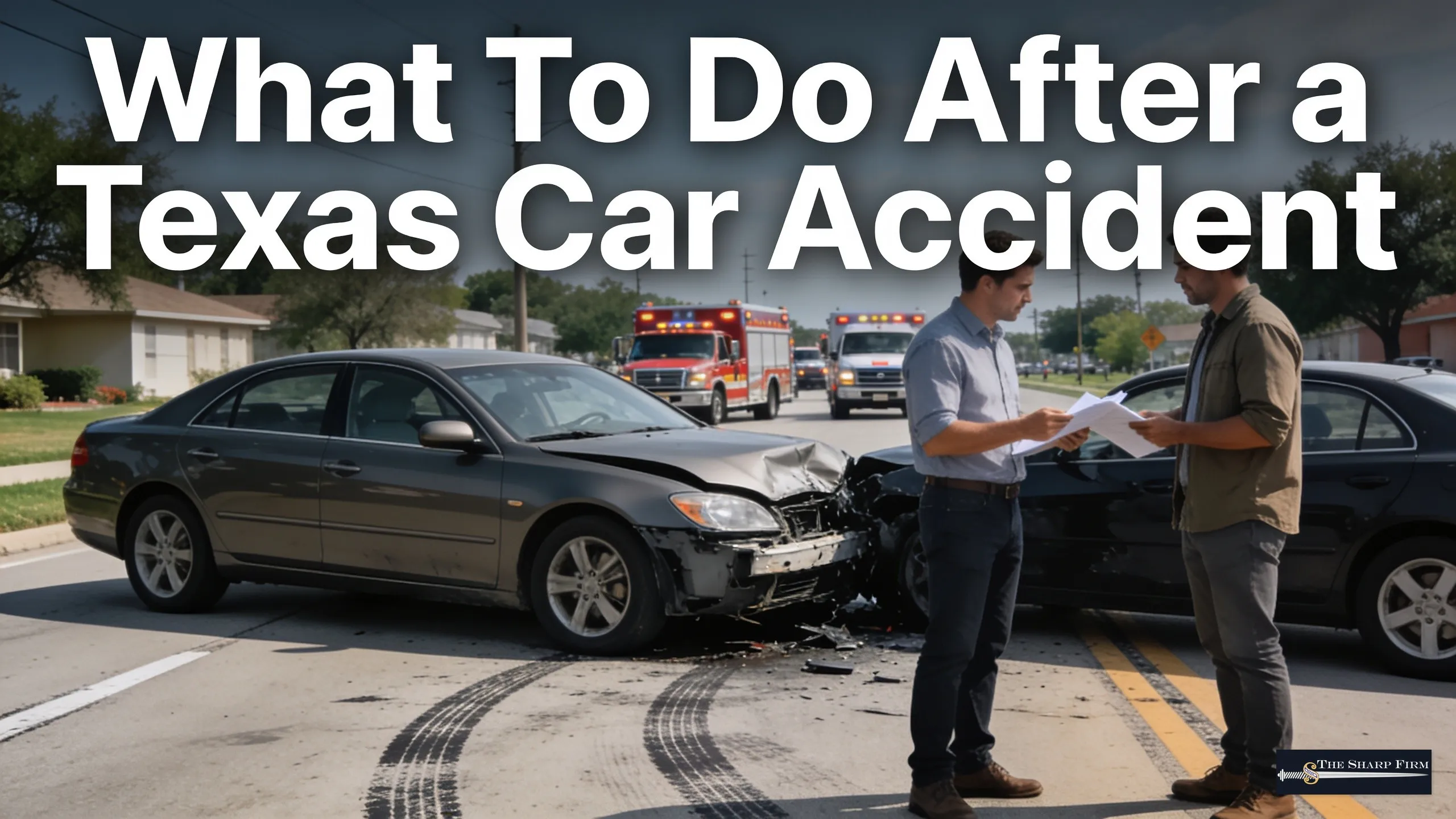
- Call 911. If the crash causes injuries or disables any vehicle, call 911 immediately. Provide the exact location and a clear description of what happened.
- Document the scene. Photograph every vehicle involved, including license plates and visible damage. Capture street signs and road angles — these details establish fault.
- Collect the other driver’s information. Photograph the other driver’s insurance card and license. Record the insurance company name and policy number.
- Speak with witnesses. Identify anyone who saw the crash and gather their contact information to support any future insurance or legal claim.
Why Do the First Hours Matter So Much After a Texas Accident?
The actions taken immediately after a crash shape the entire claim that follows. Evidence disappears, memories fade, and insurance adjusters move quickly. Injured drivers who document the scene thoroughly give a car accident attorney far stronger material to work with.
What Information Should Drivers Gather at the Scene?
Drivers should collect the other party’s insurance card, driver’s license, and contact details. Photographs of all vehicles, license plates, road conditions. Nearby signage form the foundation of any credible claim — whether filed through insurance or pursued in court. Consulting a qualified Texas attorney helps injured parties understand exactly what that evidence means for their recovery.
How Do Texas Laws and Insurance Rules Affect Your Claim?
Texas law shapes every stage of a car accident claim, from the moments after a collision through final settlement. A texas car accident guide must address insurance rules first. Because missing key steps at the scene directly reduces the value of a claim.
Texas roads recorded nearly 15,000 traffic accidents in a single recent year, producing over 17,000 serious injuries and 3,773 fatalities. That volume makes understanding the claims process essential for every injured driver in the state.
What Information Must Drivers Collect at the Scene?
The car accident attorney-recommended first step is gathering the other driver’s insurance details immediately. Follow these steps in order:
- Request the other driver’s insurance card and photograph both the card and their driver’s license.
- Ask for name, phone number, insurance company name, and policy number if no insurance card is available.
- Call the police whenever injuries occur or a driver flees the scene.
- Obtain a copy of the police report to submit directly to the insurance company.
Why Does the Police Report Matter So Much?
The police report serves as an independent, official record of the crash. Insurance adjusters rely on this document to evaluate fault and damages. Without a report, disputed facts become far harder to resolve in a claimant’s favor.
Injured drivers across Texas — from El Paso to Houston to the Panhandle. Can turn to The Sharp Firm, an Austin, TX-based personal injury practice serving clients statewide, for guidance on navigating these critical early steps as part of a comprehensive texas car accident guide approach to claim protection.
When Should You Contact a Texas Car Accident Attorney?
Contacting a car accident attorney promptly after a Texas crash makes a measurable difference in the outcome of a personal injury case. Delayed action risks lost evidence, missed deadlines, and reduced compensation for medical bills and lost wages.
Injured drivers in Texas should consider reaching out to legal counsel as soon as any of the following circumstances apply:
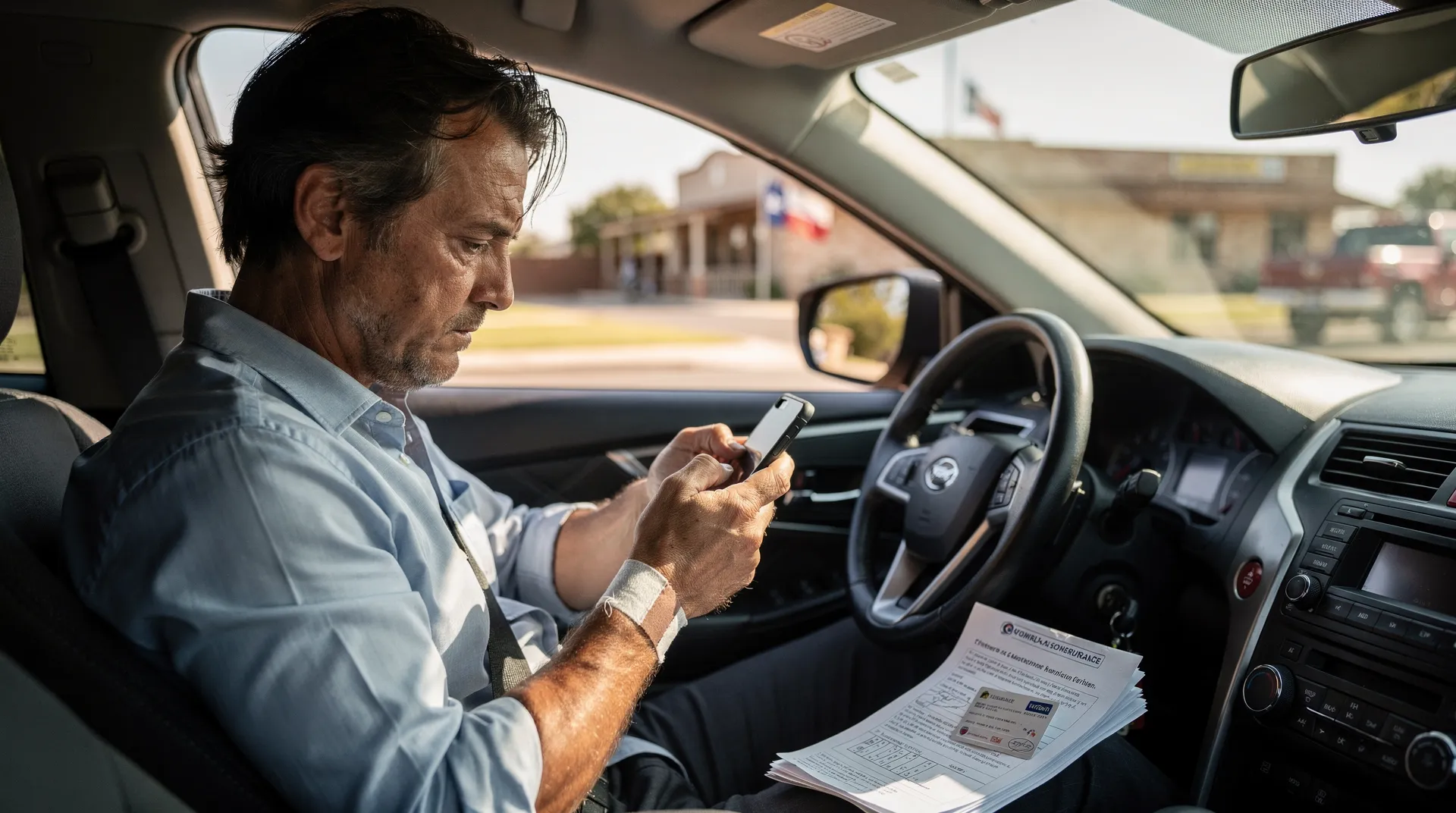
- Seek medical attention first. Address injuries before anything else — medical records become critical evidence.
- Document the scene. Photograph damage, collect the other driver’s information, and obtain a police report number.
- Contact an attorney before speaking with insurers. Insurance adjusters work to minimize payouts; legal counsel protects the injured party’s interests from the start.
- Act without delay. Texas imposes strict legal deadlines on personal injury claims, and prompt action preserves the strongest possible case.
What compensation can injured Texas drivers recover?
Drivers who have been rear-ended, T-boned, or sideswiped deserve compensation covering medical expenses and replaced lost wages. The full scope of recoverable damages depends on the specific facts of each case.
How does The Sharp Firm help Texas accident victims?
The Sharp Firm is an Austin, TX-based personal injury litigation team that has represented accident. Injury victims across Texas for decades. The firm is board-certified in personal injury trial law and offers a free initial consultation. Providing hands-on representation from that first conversation through verdict. This commitment to personalized counsel ensures Texas clients receive experienced guidance at every stage of their texas car accident claim.
FAQ
What should you do first after a Texas car accident?
Call 911 immediately, especially if the crash causes injuries or disables any vehicle, then document the scene with photos of all vehicles, license plates, and road conditions.
What information do you need to collect from the other driver?
Photograph the other driver’s insurance card and license. Record the insurance company name and policy number to protect your claim.
Where is The Sharp Firm located?
The Sharp Firm is located in Austin, TX. Helps accident victims across Texas protect their legal rights and claims after a crash.
Location
7800 N. Mopac Expy.
Suite 200
Austin, TX 78759
Get Directions

© Copyright 2026 The Sharp Firm. All rights reserved.
Digital Marketing By 
*Images are obtained under license from Canva and other third-party stock image providers, with attribution included where required.